
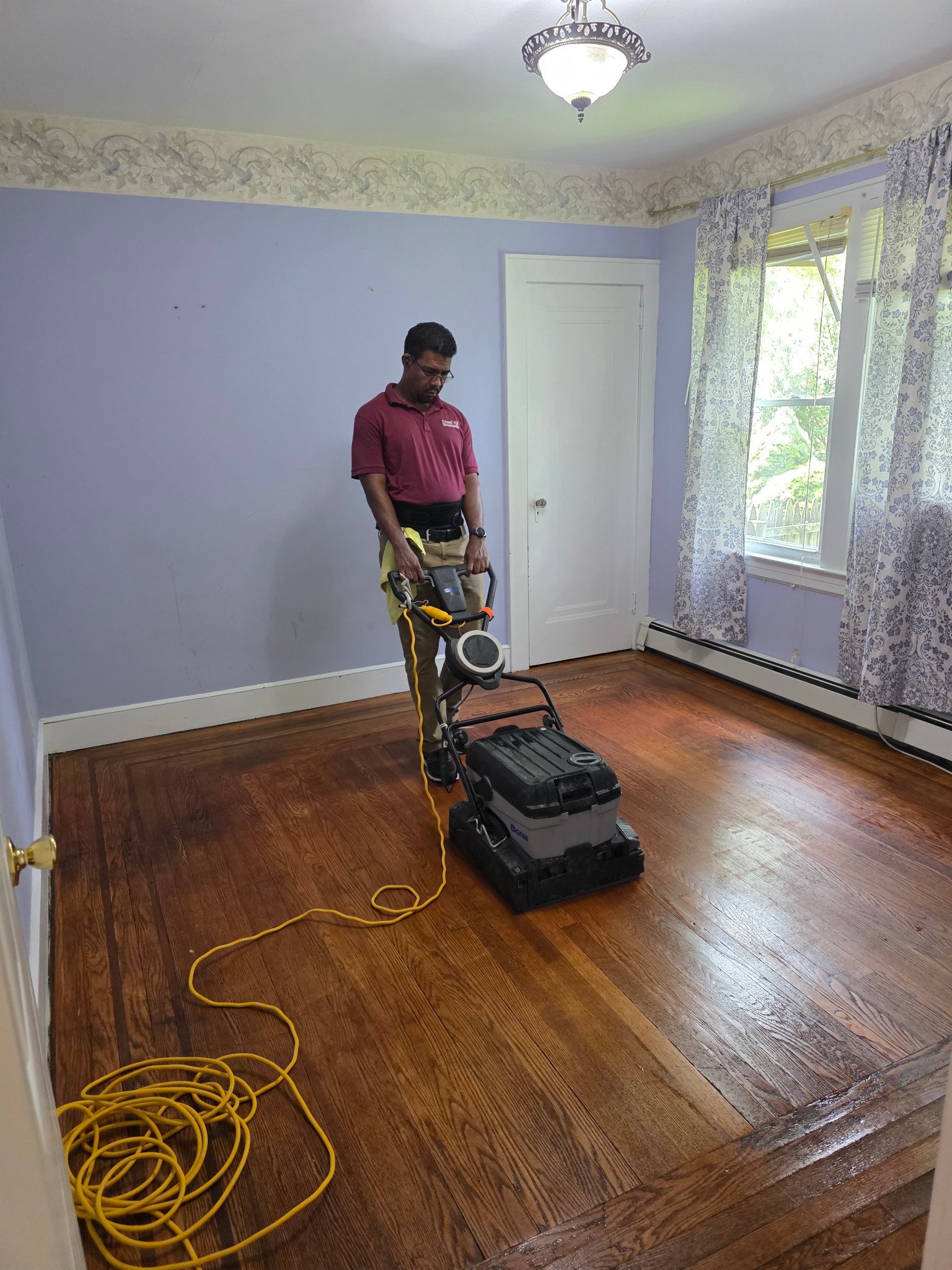
Protecting New Floors During Post-Construction Cleanup
Protecting floors after construction starts before the first mop touches the surface. Loose grit, fresh finishes and leftover installation residue all affect how a floor should be cleaned. A method that suits one room may be wrong for the next.
Whether you are finishing a home remodel or a commercial project in New Jersey, the aim is to remove construction soil while respecting the materials underneath. Start with the installer’s care instructions, then agree on a cleaning plan for each floor.
Check the floor and finish first
A wood-look floor might be hardwood, vinyl or porcelain. Concrete may be bare, sealed or coated. Even familiar materials can need different care after a new installation.
Before scheduling cleanup, collect:
- The flooring material and product name, if available
- Details of any finish, sealer, adhesive or grout recently applied
- The installer’s cleaning instructions and required curing time
- Restrictions on water, cleaning products, pads or equipment
- Photos of scratches, chips, haze or other areas that need attention
Share this information with the cleaning team. Document existing damage before work starts so that a cleaning concern can be distinguished from an installation or repair issue. If the material or coating is uncertain, confirm it with the installer before selecting a treatment.
Keep grit from spreading across finished areas
Arrange for remaining tools and construction materials to be cleared from the agreed cleaning areas. Plan a route for workers and equipment that limits traffic over finished floors, and ask the installer when protective coverings can be removed or replaced.
Loose grit should be collected with equipment and attachments appropriate for the floor before wet cleaning begins. Clean wheels, pads and tools matter too: debris carried from one room into another can scratch a finished surface.
Include nearby ledges, trim and other dust-covered surfaces in the plan where appropriate. Cleaning a floor while dust-producing work continues nearby can leave it needing another pass.
Match the cleanup to the flooring
Tile and grout
Identify the tile, grout and any sealer before treating a cloudy film. Loose dust, grout haze and adhesive residue need different approaches. A stronger chemical or more abrasive pad is not automatically the right answer.
Follow the grout and tile manufacturers’ instructions, including cure times. Acid-based products can affect cement grout and acid-sensitive stone, so avoid improvised vinegar or acid treatments. The Tile Council of North America’s grout-care guidance explains why the cleaner and residue need to be matched carefully.
Our tile and grout cleaning service can be discussed as part of a floor-specific proposal. Specialized residue removal must be assessed and agreed separately.
Wood floors
Newly installed or refinished wood needs the finish manufacturer’s instructions, including when cleaning can begin. Use a suitable floor attachment for loose dust and an approved cleaner for the finish. Avoid soaking the floor or using a steam mop; the National Wood Flooring Association recommends finish-specific care and cautions against wet and steam mopping.
If a mark remains, stop before increasing pressure or trying a solvent. A mark may be damage to the finish rather than removable dirt. Ask about wood floor cleaning and explain any recent installation or refinishing work when requesting a quote.
Concrete and cement floors
Tell the cleaning team whether the floor is unsealed, sealed, polished or coated, and share any recent treatment details. New concrete and coatings have their own readiness requirements; a hard-looking surface does not establish that every cleaning method is suitable.
Dust Busters offers concrete and cement cleaning, including equipment that washes and extracts dirty water. The appropriate method depends on the surface, its condition and access. Existing damage or an ongoing surface problem may need a contractor’s assessment.
Carpet
Keep remaining construction traffic off carpet where practical and identify any paint, adhesive or other residue before treatment. Agree on dry-soil removal and whether additional cleaning is appropriate for the carpet and its installation instructions.
If extraction cleaning is proposed, plan access and drying before furniture or regular foot traffic returns. Our carpet cleaning service includes inspection and treatment options based on the carpet’s condition; construction residue should be disclosed when requesting the work.
Plan for dust control and the final walkthrough
HEPA filtration can support dust control when equipment is suitable for the task. It complements physical removal of dust from floors and other surfaces. Ask whether HEPA air scrubbing is appropriate and available for your project; it is an optional proposal item, not a promise that all dust will disappear.
Once the floor is dry, review the agreed areas with the cleaning team. Note any remaining marks that need installer advice and any later construction work that could create new dust. Cleaning does not repair damaged finishes or establish that a building is safe to occupy. Suspected hazardous materials need specialist assessment before ordinary cleaning.
Arrange floor-conscious cleanup in New Jersey
For a kitchen, bathroom or room remodel, explore our after-renovation cleaning service. For a larger build or contractor-led turnover, see our post-construction cleaning service.
Request a quote with your location, floor types, project photos and expected completion date. Include the installer’s care instructions so the proposed scope and timing can account for your new finishes.
