When Should Final Construction Cleaning Start? A Trade-Readiness Checklist
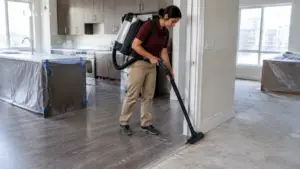
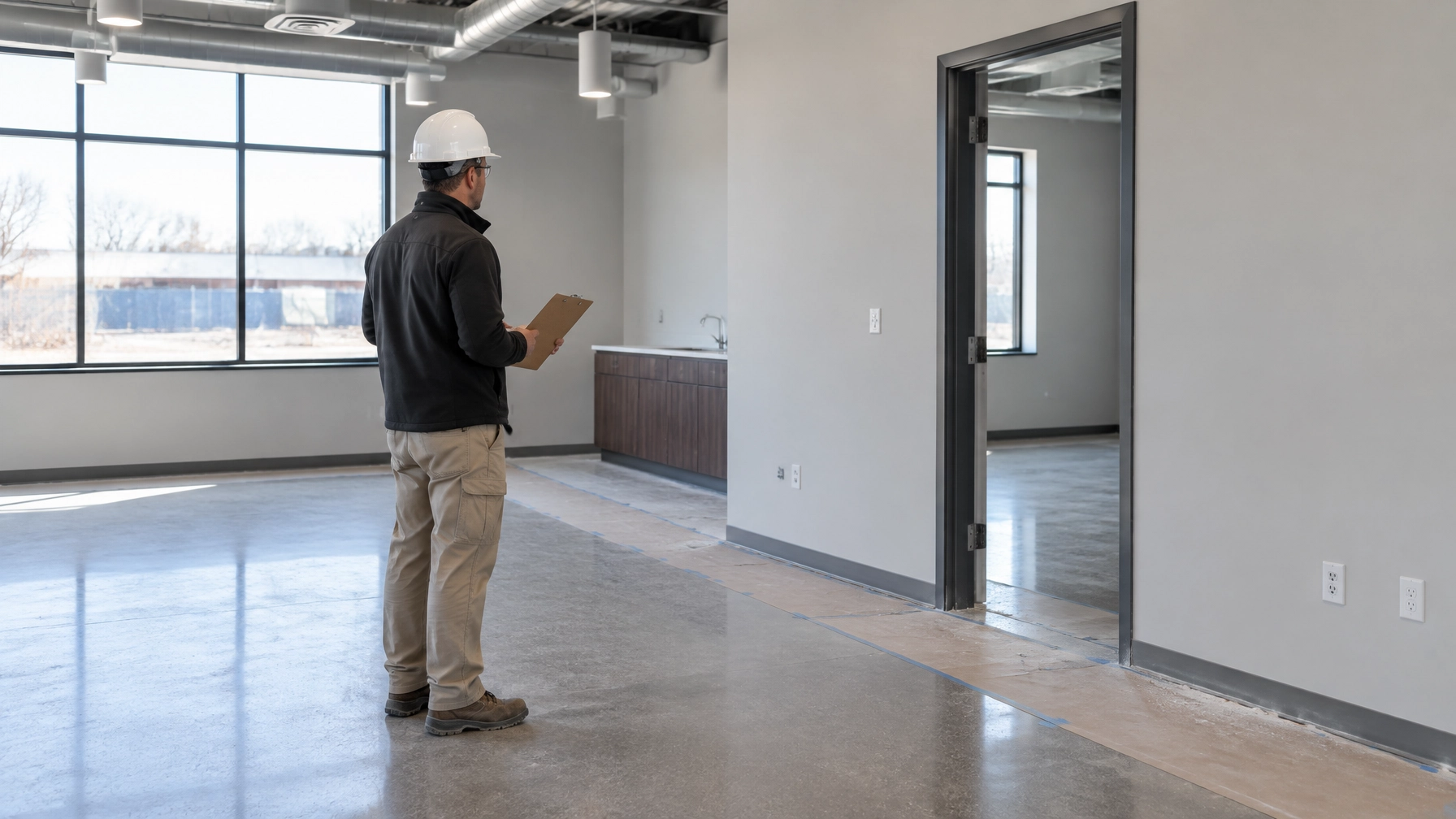
An illustrative jobsite scene: a readiness walkthrough helps confirm that the work area is ready to hand over for cleaning.
Final construction cleaning should start when the work in the area is substantially complete, dust-generating trades are finished, and the site can be safely handed over to the cleaning crew. That means more than “the project is almost done.” If painters still need to touch up walls, flooring installers are returning, or fixtures are waiting to be mounted, cleaning may be premature.
For New Jersey project managers, general contractors, and superintendents, the timing decision affects more than appearance. Starting too early can mean paying to clean surfaces that get dusty again, interrupting trades, or risking damage to newly finished materials. Waiting for clear readiness conditions helps the cleaning visit contribute to a smoother inspection, handover, or move-in.
Use this walk-through to make a practical go/no-go decision. It focuses on site readiness, not on cleaning phases or a room-by-room task list. For an overview of the cleaning service itself, see Dust Busters’ post-construction cleaning service.
Go/no-go check: Are trade activities finished in the cleaning area?
Start with the work that could create dust, debris, smears, or new marks. Ask the trade leads whether they are done in the specific zone, not just whether the overall project is nearing completion.
Look for outstanding work such as:
- Paint touch-ups, sanding, caulking, or adhesive application
- Flooring installation, transitions, or finish work
- Cabinet, millwork, or fixture mounting
- Drilling, cutting, overhead work, or equipment testing that could leave residue
- Punch-list work that requires trades to walk through or use the area
A small, isolated punch-list item may not need to hold up an entire project. But it should be clearly identified and kept separate from the space being released for cleaning. If a trade is likely to return and disturb finished surfaces, schedule the cleaning after that work, or agree in advance on how any later touch-up cleaning will be handled.

Illustrative example of finished surfaces and active work kept apart; confirm the site’s actual protection plan before cleaning.
Check that finishes are ready for the cleaning method
“Installed” does not always mean “ready to clean.” Flooring, grout, coatings, paint, caulk, and other finishes may need time to cure or specific care, according to the manufacturer’s instructions. Before the crew arrives, confirm that the materials can tolerate the planned cleaning method.
Review what needs to remain protected and who is responsible for removing or replacing coverings. Floor protection should not be peeled back simply because cleaning is scheduled. The contractor or responsible trade should confirm when it can come off without exposing a surface to damage or interfering with curing.
This matters especially where a site has mixed materials, such as resilient flooring, natural stone, finished wood, glass, and carpet. Different surfaces can require different approaches. If new carpet is part of the scope, discuss the condition and cleaning needs with the cleaning provider; Dust Busters also offers carpet cleaning services.
Finish-readiness questions for the site walk
- Has the trade confirmed the surface is installed and ready for routine cleaning?
- Are required curing or drying periods complete?
- Are temporary coverings staying in place or being removed, and by whom?
- Have the cleaning scope and surface-care limits been discussed?
When in doubt, follow the manufacturer’s care instructions and get confirmation from the trade responsible for the finish. Do not assume that a stronger chemical, pad, or machine is appropriate just because residue is visible.
Confirm utilities, lighting, access, and keys
A cleaning crew needs practical working conditions. Confirm that the agreed work areas have safe, usable access and the utilities required by the scope. Depending on the job, that may include working power for HEPA vacuums or floor equipment, water access for approved wet-cleaning tasks, and adequate lighting for inspecting surfaces.
Also walk through logistics that are easy to overlook when a project is busy:
- Who provides keys, access codes, or an escort?
- Are elevators, loading areas, parking, and routes to the work zone available?
- Are alarms or security procedures explained?
- Is access restricted to the areas included in the cleaning scope?
- Is there a designated site contact who can answer questions or address a hold?
A crew arriving without access, power, or an authorized point of contact may not be able to complete the agreed work. Confirm these details before dispatch, particularly on multi-trade or multi-tenant sites.
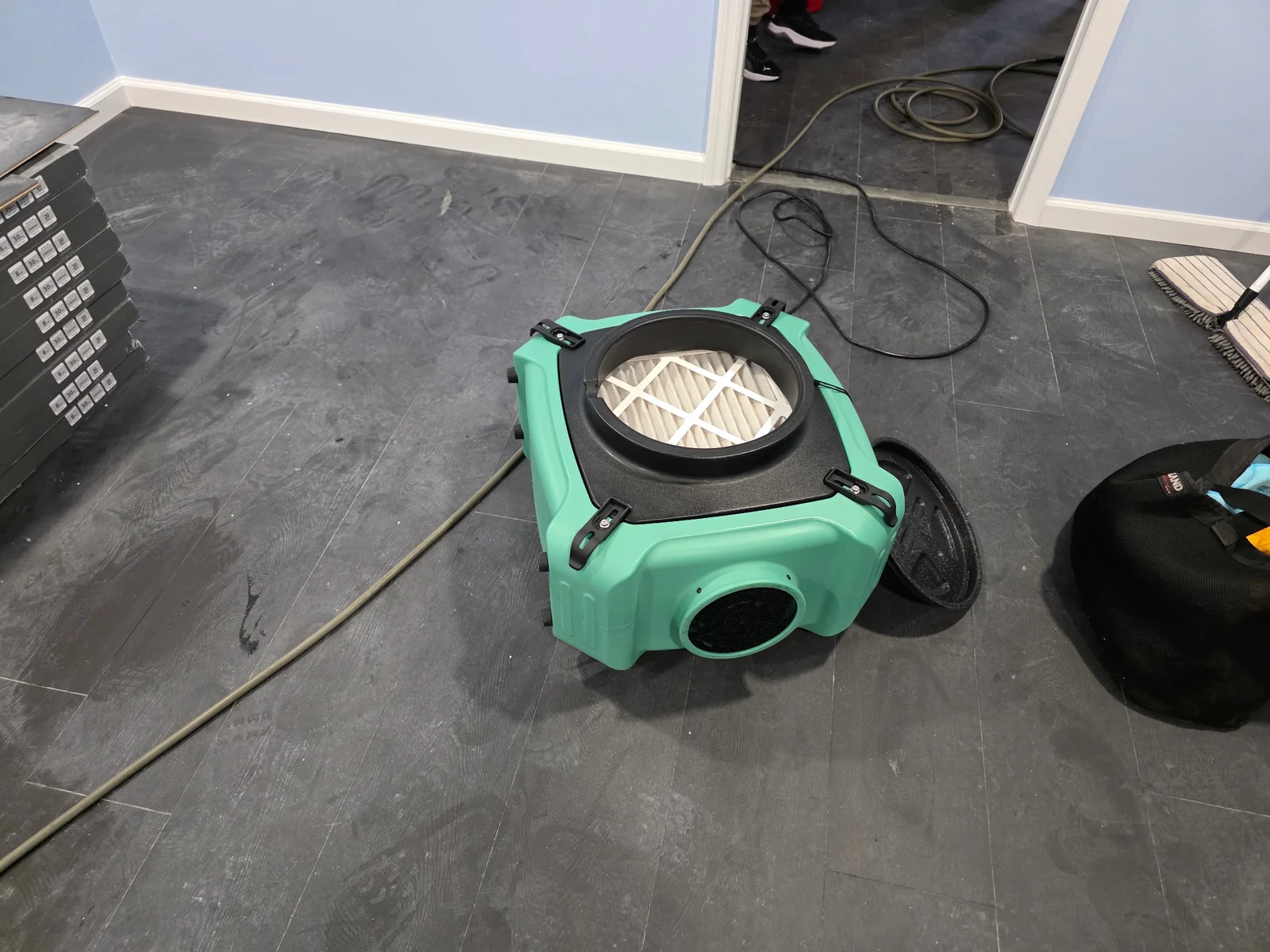
Portable air-filtration equipment. Confirm safe access and the required utilities before scheduling cleaning equipment.
Settle bulk debris responsibility before the final clean
Final construction cleaning should not be treated as an automatic substitute for trade cleanup or bulk debris hauling. Before release, clarify who removes surplus materials, packaging, scrap, and construction waste, and where it should go.
The crew should know what is included in the cleaning scope and what is not. Loose residual dust or small remnants may be addressed as agreed; leftover materials, heavy debris, or waste requiring separate handling should be resolved with the responsible contractor or trade. If the division of responsibility is unclear, settle it before the cleaning date rather than at the door.
A clean handoff also makes it easier to identify whether a mark is construction residue, damage, or an unfinished item. If the area is still being used as a staging or storage zone, it is likely not ready for final cleaning.
Check the HVAC plan before releasing the space
Construction activity can affect HVAC filters and system components. Ask whether the system has been operating during dusty work, whether registers and returns were protected, and what the project’s filter or inspection plan requires before normal operation.
The answer depends on the site and the system. If filters were exposed to construction dust or the system operated during dusty work, the project team may need to inspect or replace filters. If there is concern about debris inside the system, discuss the appropriate next step with the HVAC contractor. Cleaning the visible room surfaces does not address material inside HVAC equipment or ductwork.
The U.S. Department of Energy’s Building America Solution Center guidance on construction debris in residential ducts explains why duct protection and system condition matter during construction. Keep HVAC responsibilities clear: confirm what the cleaning provider is handling and what belongs to the HVAC contractor.
Why cleaning too early can cost you twice
If cleaning begins while dusty trades remain active, surfaces may need attention again after the crew leaves. Foot traffic can track debris across cleaned floors; cutting, drilling, or sanding can deposit dust on surfaces; and late installations can leave fingerprints or packaging behind.
That does not mean every project should wait for every last item on the punch list. It means the cleaning area needs a clear release boundary. A floor, unit, or wing that is finished and isolated may be ready while another area remains under construction. Communicate the boundary, access restrictions, and any expected return visits before work begins.
Dust can also settle after a cleaning visit, especially if construction activity continues nearby. No cleaning schedule can guarantee that a site will remain completely dust-free while trades are still working. The practical goal is to schedule the final clean after the work most likely to undo it, then limit access and disruptive activity afterward.
PM walk-through: a practical readiness checklist
Before marking a space GO, walk it with the superintendent or responsible trade lead and confirm:
- Dust-producing and surface-damaging work is complete in the cleaning area.
- Paint touch-ups, flooring work, fixture mounting, and other likely return visits are complete or clearly isolated.
- Finished surfaces are cured and ready for the agreed cleaning methods.
- Surface protection will remain or be removed according to the responsible trade’s direction.
- Bulk construction debris, packaging, and surplus materials have been removed or assigned to a responsible party.
- Power, water, lighting, and other agreed utilities are available and safe to use.
- The crew has confirmed access, keys or codes, loading arrangements, and site contact details.
- The HVAC filter and duct-protection plan has been reviewed with the appropriate project contact.
- Any hazards, restricted zones, or special surface-care requirements have been communicated.
- The cleaning scope, inspection contact, and expected access restrictions are clear.
If one or more key conditions are not met, pause and resolve them, or agree on a limited-area release. A brief readiness check can help avoid a preventable return visit and keep the handoff organized.
Get the timing right for your New Jersey project
The right start date depends on what remains in the work area, the finishes involved, and the project’s access and utility conditions. Share those details when planning post-construction cleaning in New Jersey, including any trades that still need to return and the target inspection or handover date.
For a project-specific scope and estimate, request an appointment or estimate from Dust Busters. A clear readiness conversation helps everyone know what is being cleaned, when the space is ready, and what must happen before the crew arrives.
To discuss your project, call 908-764-0070.