
How to Compare Post-Construction Cleaning Quotes in NJ
Post-construction cleaning may include detailed work on cabinetry, fixtures, and floors. Confirm which areas and tasks each quote covers.
A low number on a bid can look appealing, until you discover that window detailing, debris removal, or a return visit was never included. If you’re comparing post-construction cleaning quotes in New Jersey, the best approach is to compare the work behind each price, not just the final totals. For project managers, general contractors, and owners, a clear scope helps prevent avoidable misunderstandings as the turnover date gets closer.
Start with the same project information for every bidder: current plans, approximate square footage, finish schedule, target dates, site rules, and a list of areas to be cleaned. Then read each proposal line by line. A quote should make it clear what will be cleaned, when the work will happen, what the site must provide, and how additional work will be handled.
Start with scope: What areas and surfaces are included?
“Final clean” can mean different things to different companies. One quote may cover floors and accessible surfaces; another may include cabinet interiors, window tracks, fixtures, and detailed glass cleaning. Unless the scope spells it out, don’t assume those tasks are included.
Check whether each proposal lists the areas in your project, such as:
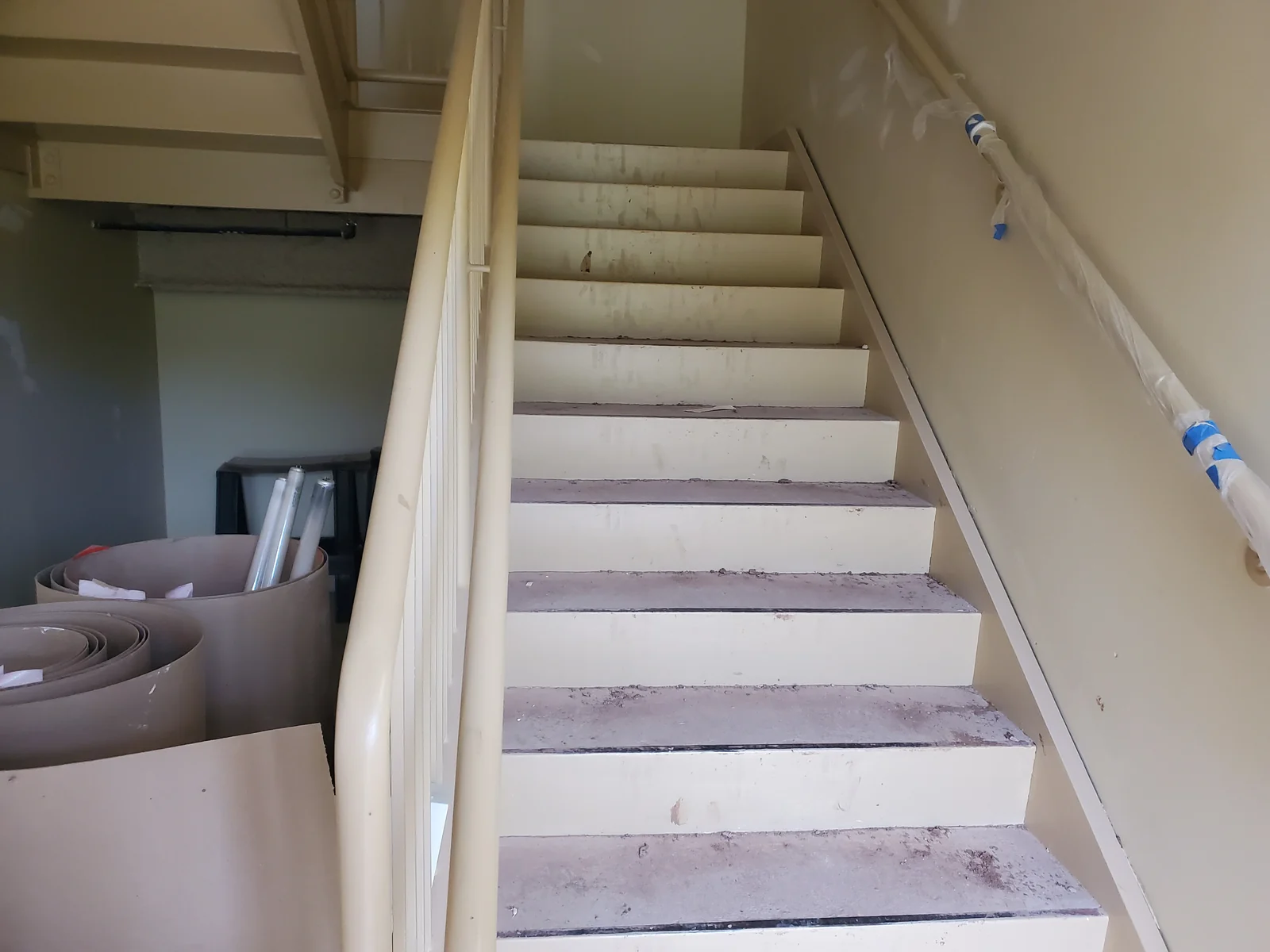
- Units, offices, corridors, stairwells, and lobbies
- Kitchens, bathrooms, and utility or mechanical rooms
- Interior glass, frames, sills, and tracks
- Doors, frames, baseboards, fixtures, and cabinets
- Floors, including different floor types and finish requirements
- High or hard-to-reach surfaces that may need special access
Look for a description of the work, too. Does “debris removal” mean bagging and moving loose material to a designated on-site dumpster, or hauling it away? Does “window cleaning” include interior glass only, or frames and tracks as well? Does floor cleaning mean removing loose dust and damp-mopping, or is specialty floor care required?
If you need work on carpet, tile, or another surface that requires a distinct method, ask the bidders to identify it separately. That makes it easier to compare the proposed service with the relevant carpet cleaning or other specialty requirements.
For a clearer idea of the types of work that may be involved, review Dust Busters’ post-construction cleaning service. Use it as a prompt for questions, not as a substitute for a project-specific written scope.
Price depends on the proposed work and site conditions. For background on pricing factors, see our post-construction cleaning pricing guide. Use any published figures as planning context; compare project-specific written quotes before making a decision.
Cleaning needs can vary with site conditions and the construction stage. Ask bidders to state which spaces and surfaces they have included.
Read the exclusions as carefully as the inclusions
Exclusions are where two similar-looking totals can turn out to cover very different work. Check for items such as exterior windows, heavy adhesive or paint residue, construction waste hauling, high-access work, specialty floor treatment, and cleaning inside appliances or cabinets. If you need any of these, ask each bidder to clarify whether it is included, excluded, or available at an additional cost.
Also ask what could trigger a change order or extra charge. Common points to clarify include:
- Added areas or a change in the project’s size
- Cleaning after other trades return to a completed area
- A delayed start, remobilization, or work outside agreed hours
- Missing utilities, access delays, or the need for special equipment
- Conditions that differ substantially from what the bidder reviewed
Be specific about the distinction between ordinary construction dust and material that may require a separate process or specialist. Unknown substances, hazardous materials, or residues that the cleaning company is not contracted or qualified to handle should be identified and referred to the appropriate project contact.
Compare rough, detail, final, and touch-up visits
Quotes may use different names for cleaning stages, so compare the tasks and timing, not just the labels. One company might describe a “detail clean” where another says “final clean.” Ask each bidder to explain what happens during each proposed visit.
A project may need a rough clean to clear loose debris and surface dust, a more detailed clean after major dusty work is complete, and a final touch-up before handover. Not every site needs every stage, but the proposal should explain which visits are included and what each one is intended to accomplish.
Check whether the quote identifies:
- The planned sequence and approximate timing of each visit
- Which areas are included in each phase
- Whether the price covers one mobilization or several
- Whether a post-inspection or turnover touch-up is included
- The cost or pricing method for additional visits
A “final clean” followed by more trade work may need a later touch-up. Agree in advance on what counts as a touch-up, how many return visits are included, and how quickly the company can respond. For example, the scope might specify a return to address listed fingerprints or footprints after a walkthrough, while excluding cleaning after new dust-producing work.

Ask whether floor cleaning is included for each surface type, and clarify any specialty treatment or protection requirements.
Confirm that the schedule works with the jobsite
A quote is only useful if the proposed schedule fits the construction sequence. Ask how much notice the cleaning company needs, what work must be complete before the crew arrives, and how the company handles schedule changes.
Discuss the planned cleaning window in relation to remaining trade work, inspections, commissioning, owner walkthroughs, and turnover. If crews will work evenings or weekends, confirm whether those hours affect price or availability. For larger or phased projects, ask how the company will coordinate with the superintendent or project manager.
Dust-producing work after cleaning may mean some areas need additional attention. The goal is not to promise that dust will never reappear; it’s to agree on the sequence and define what happens if work resumes in a cleaned area.
OSHA’s construction silica resources explain requirements for controlling exposure to respirable crystalline silica on construction sites. Cleaning should not be treated as a replacement for the site’s required dust-control practices. If silica-generating work is still underway, confirm responsibilities and safe working conditions with the appropriate site supervisor before scheduling cleaners.
Put access, utilities, and site responsibilities in writing
A cleaning team can arrive on time and still lose working time if the building is locked or essential services are unavailable. Before selecting a company, compare the access assumptions in each quote.
Clarify who will arrange keys, badges, codes, escorts, parking, loading access, and elevator use. Confirm the agreed working hours and any sign-in or orientation requirements. Also establish whether the site will provide water, power, lighting, and a designated location for bagged debris or equipment.
Ask how keys and access credentials will be controlled and returned. Identify restricted areas, occupied spaces, and any surfaces that need protection. A brief pre-work walkthrough can help document existing damage, incomplete work, or conditions that should be addressed before cleaning begins.
Check insurance and relevant qualifications
Before awarding the work, request current insurance documentation and compare it with your contract and project requirements. Confirm that the named business matches the company you are hiring, and check that the coverage and dates meet your requirements. A certificate can provide evidence of insurance, but it does not explain every policy term or endorsement. When the contract requires particular coverage or endorsements, have the appropriate project or insurance professional verify the documents.
Ask about relevant training, site orientation, and supervision. If a bidder lists certifications, clarify what the certification covers, who holds it, and whether it applies to the work in your scope. Insurance, training, and cleaning credentials serve different purposes; one does not replace another.
Use a side-by-side comparison before you choose
Put the key details from each proposal into a simple comparison table. Include the base price, work by phase, included areas, exclusions, window and floor scope, debris handling, access assumptions, schedule, return visits, and charges for changes. Note any unanswered questions.
Then compare the adjusted scope, not only the original total. A higher quote may include an additional visit or more detailed work; a lower quote may assume the GC will handle debris, access, or post-walkthrough touch-ups. Neither is automatically the better choice. The right fit is the proposal that clearly matches your project, documents assumptions, and gives you a workable plan for turnover.
At award, attach the agreed scope, schedule, exclusions, access arrangements, and touch-up terms to the purchase order or subcontract. Keep the final version in one place so the project team and cleaning supervisor are working from the same expectations.
For more on the cleaning process and available service options, visit Dust Busters’ post-construction cleaning page. If your project is in New Jersey and you’re ready to discuss its scope and timing, request an estimate. A clear conversation before work begins can make the handoff smoother for everyone.
Include floor type, soil conditions, and any specialty floor requirements when you compare cleaning proposals.
To discuss your project, call 908-764-0070.